Туристам
Motorhome Mastery: A Practical, Conversational Guide to Buying, Living, and Traveling on Wheels
There’s a particular freedom in being able to put your bedroom, kitchen, and office on four wheels and point them toward a new horizon. But freedom without a little know-how can quickly become a lesson in flat tires, flooded basements, and wasted money. This article walks you through motorhomes the way a seasoned traveler would: clear, practical, and with an eye for what matters day to day. Whether you’re thinking about buying your first motorhome, planning a long trip, or just curious about the systems that keep a rolling house running, this guide will unpack the essentials without jargon overload.
What Exactly Is a Motorhome?
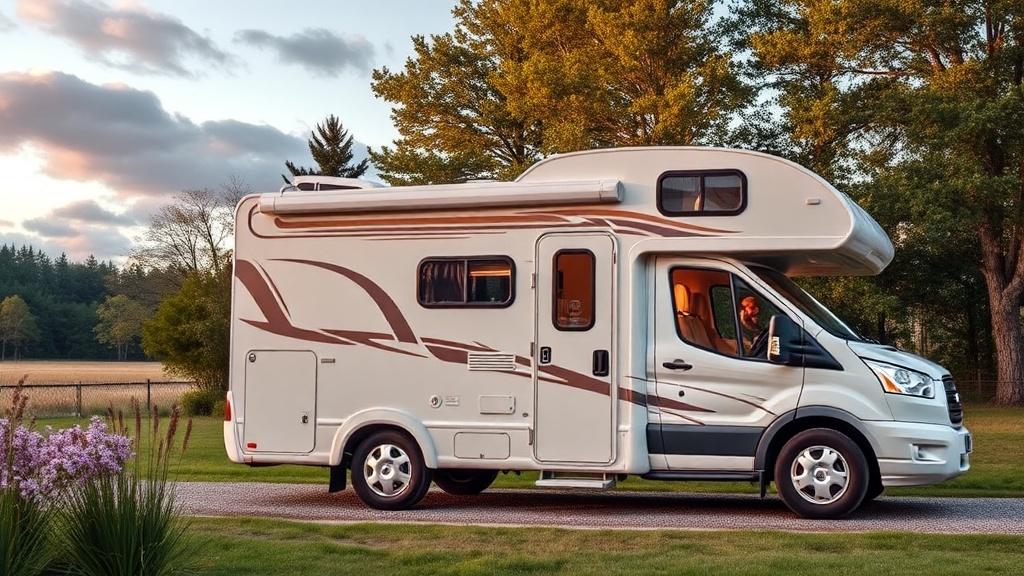
“Motorhome” refers to a self-propelled recreational vehicle that combines living quarters with the driving cab. It’s different from towable RVs (travel trailers, fifth-wheels), which need a separate tow vehicle. Motorhomes vary widely in size and layout—from compact campervans to luxurious, bus-sized rigs—and the right choice comes down to how you plan to use it: weekend escapes, full-time living, cross-country touring, or off-grid adventures.
Types of Motorhomes
Industry shorthand divides motorhomes into classes: Class A, B, and C, plus campervans and conversion vans. Each class has trade-offs in comfort, fuel economy, maneuverability, and cost. Below is a simple comparison to help orient you.
| Type | Typical Size | Strengths | Limitations | Best For |
|---|---|---|---|---|
| Class A | 26–45 ft | Large living area, high amenities, storage | Poor fuel economy, expensive, needs space to park | Family travel, long-term living |
| Class B (Campervan) | 16–22 ft | Easy to drive, better fuel economy, stealth parking | Limited living space and storage | Couples, weekenders, urban travel |
| Class C | 20–33 ft | Mid-sized, over-cab sleeping, balanced features | Less luxurious than Class A, more bulky than B | Families, those seeking compromise |
| Converted Vans | Varies | Custom layouts, lightweight | Can be costly per square foot | DIY enthusiasts, tailored needs |
How to Choose the Right Motorhome
Picking a motorhome begins with honest answers about how you travel. Do you want the comforts of home at every stop, or are you content with minimal appliances and a lightweight rig? Will you camp on full-hookup parks or boondock in national forests? How many people will sleep onboard? Your travel rhythm, party size, and the places you aim to visit steer the decision more than price alone.
New vs. Used: Key Considerations
Buying new brings warranty coverage, modern systems, and fewer unknowns. Buying used often means lower upfront cost and potentially better value if the previous owner maintained the vehicle. The crucial factor with used motorhomes is inspection: water damage, chassis issues, and electrical problems are common hidden costs.
| Factor | New | Used |
|---|---|---|
| Initial Cost | High | Lower |
| Warranty | Usually included | Limited or none |
| Maintenance | Minimal early on | Depends on history |
| Depreciation | Steeper first years | Slower after initial drop |
Try Before You Buy
Renting for a weekend is a low-risk way to learn what layout and systems suit you. Pay attention to how the kitchen flows, how easy the bed is to set, and whether you can handle the size on local roads. A short rental can save thousands by preventing a mismatch between expectation and reality.
Understanding Motorhome Systems
Once you’ve decided on a class and model, systems knowledge becomes essential. These are the things that will require maintenance, upgrades, and sometimes troubleshooting in the middle of nowhere.
Water System Basics
Motorhomes have three main water tanks: fresh, gray, and black. Fresh holds potable water for cooking and drinking. Gray collects sink and shower wastewater. Black stores sewage from the toilet. Managing these tanks means planning refill points, emptying black tanks at dump stations, and conserving water when boondocking. A pressure regulator for shore water and a proper venting system for tanks are must-haves to avoid leaks and odors.
Plumbing and Winterizing
Protecting plumbing from freezing is crucial if you camp in cold climates. Common approaches include heated tanks, insulation, and using RV antifreeze in the plumbing during storage. Winterizing isn’t optional in many climates—broken pipes are expensive and messy.
Propane and Heating
Propane runs stoves, furnaces, and sometimes refrigerators. It’s efficient and widely available, but you must follow safety rules: secure tanks, use carbon monoxide detectors, and check for leaks. Diesel heaters offer quieter, integrated heating for diesel chassis and are popular for off-grid cold weather travel because they draw on the vehicle’s fuel supply rather than separate propane tanks.
Electrical Systems: The Heart of Off-Grid Comfort
Three electrical realms exist on motorhomes: 12-volt DC (house electronics, water pump), 120-volt AC (shore power, outlets), and sometimes 24-volt systems in larger rigs. A converter/charger keeps batteries topped when on shore power, and an inverter converts battery DC to AC to run household appliances when off-grid. Many modern rigs include an inverter-charger with automatic transfer switching to manage power seamlessly.
Batteries and Solar
Battery options range from old-school flooded lead-acid to sealed AGM and modern lithium (LiFePO4). Lithium batteries are expensive upfront but provide more usable capacity, longer life, and faster charging. Solar panels paired with a charge controller can keep batteries topped during daylight. Typical setups vary from small 100–200W arrays for minimal off-grid comfort to 600W+ systems for long-term boondocking with heavy loads.
| Component | What It Does | Notes |
|---|---|---|
| Shore Power (120V AC) | Powers appliances and charges batteries via converter | Often 30A or 50A service; adapter options exist |
| Inverter | Runs AC appliances from house batteries | Pure sine wave recommended for sensitive electronics |
| Battery Bank | Stores energy for off-grid use | Capacity measured in amp-hours (Ah) |
| Solar Panels | Generate DC power to charge batteries | Panels, wiring, and controller needed |
Refrigeration Types
Refrigerators in motorhomes come as absorption (3-way), compressor, or portable units. Absorption fridges run on propane, AC, or DC and are nice for true multi-fuel operation, but they’re less efficient and slower to cool. Compressor fridges are essentially like home fridges with better efficiency and quicker cooling, making them a better choice for solar-powered setups.
Living Comfortably in Compact Space
Space is the most valuable commodity in a motorhome. Every drawer, hook, and fold must earn its place. Thoughtful organization turns a cramped vehicle into a functional home; careless packing turns it into cluttered chaos.
Kitchen and Cooking Tips
A small stove, a compact microwave, and a sink can be surprisingly versatile. Use nesting cookware, magnetic spice racks, and collapsible containers to maximize cabinet space. Consider a dual-burner induction cooktop if you’re running on inverter power and want cleaner, efficient cooking without propane.
Sleeping and Privacy
Bed sizes vary—fixed queens are rare in tiny vans, but many layouts offer convertible dinette beds or over-cab bunks. Quality mattresses matter for long trips; a bad mattress ruins the experience faster than almost anything else. Privacy curtains and window coverings help with light control and insulation.
Storage Strategies
Use soft-sided storage for irregular items, and label everything. Hooks on cabinet doors free up space, and exterior compartments can store outdoor gear and tools. Remember: weight distribution matters. Keep heavy items low and near the axles to preserve handling and ride quality.
Maintenance and Seasonal Care
Motorhomes combine automotive maintenance with home maintenance. That doubles the checklists and the attention required. A disciplined maintenance routine prevents many roadside breakdowns and expensive repairs.
Routine Checks (Daily/Weekly)
- Check tire pressure and visible condition before long drives.
- Inspect for water leaks after heavy rain or after using roof vents.
- Test smoke and carbon monoxide detectors monthly.
- Monitor battery voltage and top off fresh water when needed.
Monthly and Seasonal Tasks
Every few months or at season changes, do a deeper walk-around: lubricate hinges, inspect sealant on roof seams, clean and treat batteries, and check the integrity of hoses and clamps. Before winter, drain and flush plumbing or winterize with antifreeze, and remove or protect batteries if temperatures dip extremely low.
Common Repair Areas
Roof seals, slide-out mechanisms, water pump failures, and fridge issues are among the most common repairs. A professional chassis service for engines, brakes, and transmission is as important as maintaining the living systems.
Driving, Maneuvering, and Safety
Driving a motorhome is more like piloting a small bus than steering a car. Height, length, and turning radius all change how you approach a road. Respecting the vehicle’s limits keeps everyone safe and preserves the vehicle’s mechanicals.
Practical Driving Tips
- Always check height clearance: bridges, parking structures, and tree branches can be hazards.
- Leave extra stopping distance. Motorhomes weigh far more than passenger cars and take longer to stop.
- Scout tight campsites on foot before committing to backing in or maneuvering.
- Use a spotter when reversing or navigating tight turns.
- Drive slower and anticipate lane drift on windy or high crosswind days.
Weight, Payload, and Legal Limits
Every motorhome has a Gross Vehicle Weight Rating (GVWR). Exceeding it risks damage, legal fines, and poor handling. Calculate payload by subtracting the dry weight and fuel from GVWR; then add people, gear, and water to ensure you’re within safe limits. If you plan to tow, account for tongue weight and towing capacity of the chassis.
Boondocking: Off-Grid Living
Boondocking—camping without hookups—requires preparation. Water conservation, power planning, and smart waste handling let you stay off-grid for days or weeks.
Water Conservation Techniques
Shorter showers, low-flow faucets, and reusing rinse water for gray tank-friendly cleaning can extend your freshwater supply. Carry extra jerry cans for remote fills, and plan refill points along your route.
Power Management for Off-Grid Stays
Estimate your daily power draw (lights, fridge, water pump, phone charging) and match it to battery capacity plus solar generation. Turn off non-critical systems, use LED lighting, and consider energy-efficient appliances. A small, quiet generator provides a backup but also requires fuel and adds noise.
Responsible Waste Disposal
Use designated dump stations for black tank emptying. Never dump waste on the ground. Pack out what you brought in terms of trash and follow Leave No Trace principles when boondocking on public lands.
Connectivity, Entertainment, and Apps
Internet access and route planning make travel smoother. A mix of cellular data, Wi-Fi boosters, and offline maps will keep navigation, streaming, and work functioning on the road.
Options for Staying Connected
- Use a dedicated mobile hotspot with a strong carrier plan for streaming and remote work.
- Install a cellular booster and an exterior antenna to capture weak signals in remote areas.
- Combine multiple carrier SIMs or use a dual-SIM gateway to increase reliability.
- Download maps and entertainment for truly remote stretches.
Budgeting: Cost to Buy and Run
Costs vary significantly by class and usage pattern. Initial purchase price is the most visible expense, but fuel, insurance, maintenance, campground fees, and depreciation add up quickly. A clear budget helps you avoid unpleasant surprises.
| Expense Category | Notes | Typical Range |
|---|---|---|
| Purchase Price | New vs used, class, and features drive cost | From budget vans to six-figure luxury coaches |
| Fuel | Gas vs diesel; Class B are most efficient | Highly variable—plan per-mile costs |
| Insurance | RV insurance for contents and liability | Varies by vehicle value and usage |
| Maintenance & Repairs | Chassis service + living systems upkeep | Budget annually for preventive work |
| Campground Fees | Full hookup vs dry camping | Free to premium resort rates |
Buying Checklist and Pre-Purchase Inspection
Whether you buy from a dealer or a private party, do a thorough inspection. Water intrusion is the most common killer of used motorhomes; it hides behind cabinetry and under flooring and can be costly to repair.
- Check roof seals, seams, and vents for soft spots or visible repairs.
- Run water into sinks and showers while watching for leaks under cabinets and at the ceiling.
- Inspect undercarriage for rust, frame damage, or suspension issues.
- Test all appliances on shore power and battery/inverter power.
- Verify the vehicle’s service history for chassis items (timing belts, transmission services).
- Check tires for age (sidewall cracking) as well as tread; RV tires should generally be replaced around six years regardless of tread wear.
- Look for signs of mold or mildew in storage and living spaces.
- Consider a professional inspection from an RV technician or surveyor for peace of mind.
Customizing and Upgrades
Your motorhome should reflect how you use it. Many owners invest in a few high-impact upgrades: solar and lithium for better off-grid stays, upgraded suspension or tires for improved ride, a better mattress, or a satellite dish for remote entertainment. Small changes—LED light retrofits, magnetic window screens, and better water filtration—can dramatically improve comfort without huge expense.
Smart Upgrades That Pay Off
- Solar + lithium battery bank for sustained boondocking.
- Upgraded inverter with shore-sensing charger for smoother power handling.
- Quality mattress to protect sleep on the road.
- High-efficiency compressor fridge if you want energy savings and quick cooling.
- Roof coating and regular resealing to prevent leaks.
Community, Etiquette, and Culture
Motorhome travel has a built-in community: campgrounds, online forums, rallies, and local meetups. Etiquette matters—quiet hours, respecting campsite boundaries, and managing generators politely are what make shared spaces enjoyable. Swap tips, but also be prepared to solve your own problems; the best travelers are resourceful and considerate in equal measure.
Clubs and Events
Rally events, regional meets, and manufacturer owner clubs are excellent sources of technical help, social connection, and real-world advice. They also offer opportunities to see different rigs and configurations up close before making changes to your own setup.
Renting vs. Owning
Renting a motorhome is a low-commitment way to travel or evaluate long-term adoption. It’s also a practical choice for occasional vacations. Ownership makes sense when you travel frequently, desire a personalized setup, or find rental costs exceed the annual ownership cost over time.
Tips for Renting
- Choose a rental with clear instruction on systems; unfamiliar layouts can be frustrating.
- Inspect the vehicle thoroughly before accepting it; note any damage in writing.
- Understand insurance coverage for renters and consider supplemental insurance if needed.
- Practice driving in a safe area before hitting the highway.
Sustainability and Responsible Travel
Sustainable motorhome travel blends fuel-conscious driving with minimal waste. Solar power reduces generator reliance. Biodegradable soaps, refillable containers, and thoughtful route planning shrink your environmental footprint. Choose campgrounds that manage waste properly and avoid delicate ecosystems when boondocking.
Small Changes with Big Impact
- Install low-flow faucets and showers to conserve water.
- Use LED lighting to reduce power draw.
- Carry reusable containers and reduce single-use plastics.
- Compost food waste where permitted to reduce landfill trash.
Safety: Theft, Emergencies, and Security
Security is practical: keep valuables out of sight, lock exterior compartments, and consider an alarm or GPS tracker. For emergencies, carry a well-stocked first-aid kit, spare tire equipment, and basic tools. Learn how to shut off propane and power quickly in an emergency. A paper map and printed contact numbers are simple fail-safes when electronics fail.
Emergency Preparedness Checklist
- First-aid kit with basic supplies and any personal medications.
- Fire extinguisher rated for grease and electrical fires.
- Portable jump-starter and tire repair kit.
- Flashlight and extra batteries or a charged backup power bank.
- Printed route maps and emergency contact numbers.
Final Practical Tips
Start small. If you’re new to RVing, a short trip close to home will reveal what you like, need, and could live without. Keep a log of fuel usage, maintenance, and campground experiences; that data becomes invaluable when shopping or upgrading. Emphasize preventive maintenance: a small investment now saves major headaches later. And most importantly, refine your setup as you learn—no single rig is perfect for every traveler, but most rigs can be made significantly more comfortable with modest adjustments.
Conclusion
Motorhome travel is a blend of mechanics and lifestyle: you care for a vehicle and, in doing so, gain access to places and experiences that shift how you measure time and distance. The right motorhome for you balances size, capability, and budget, while thoughtful maintenance and modest upgrades keep it reliable and enjoyable. Travel smart, plan for the systems that matter most to your style, and treat your rig like both a vehicle and a home—attentive care pays off in miles of smoother, more rewarding journeys.